What is Interior Design?
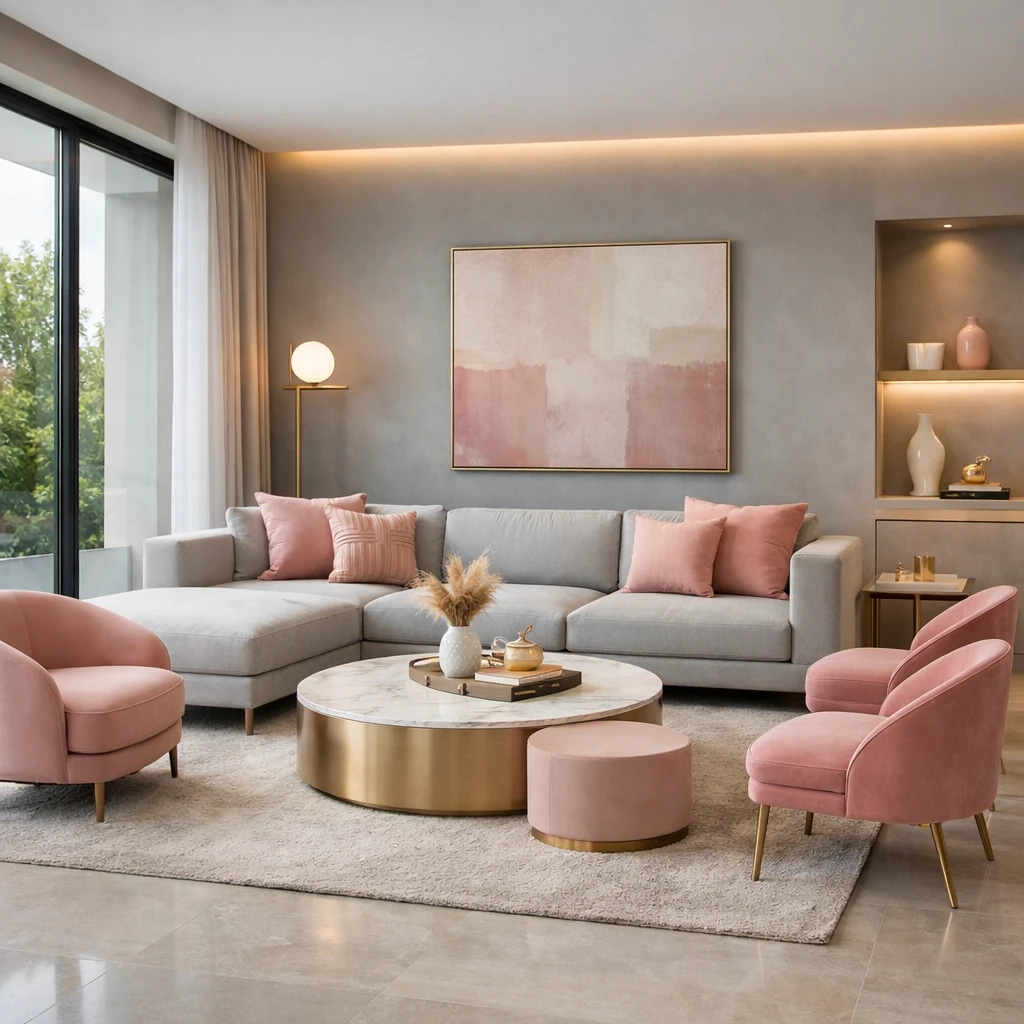
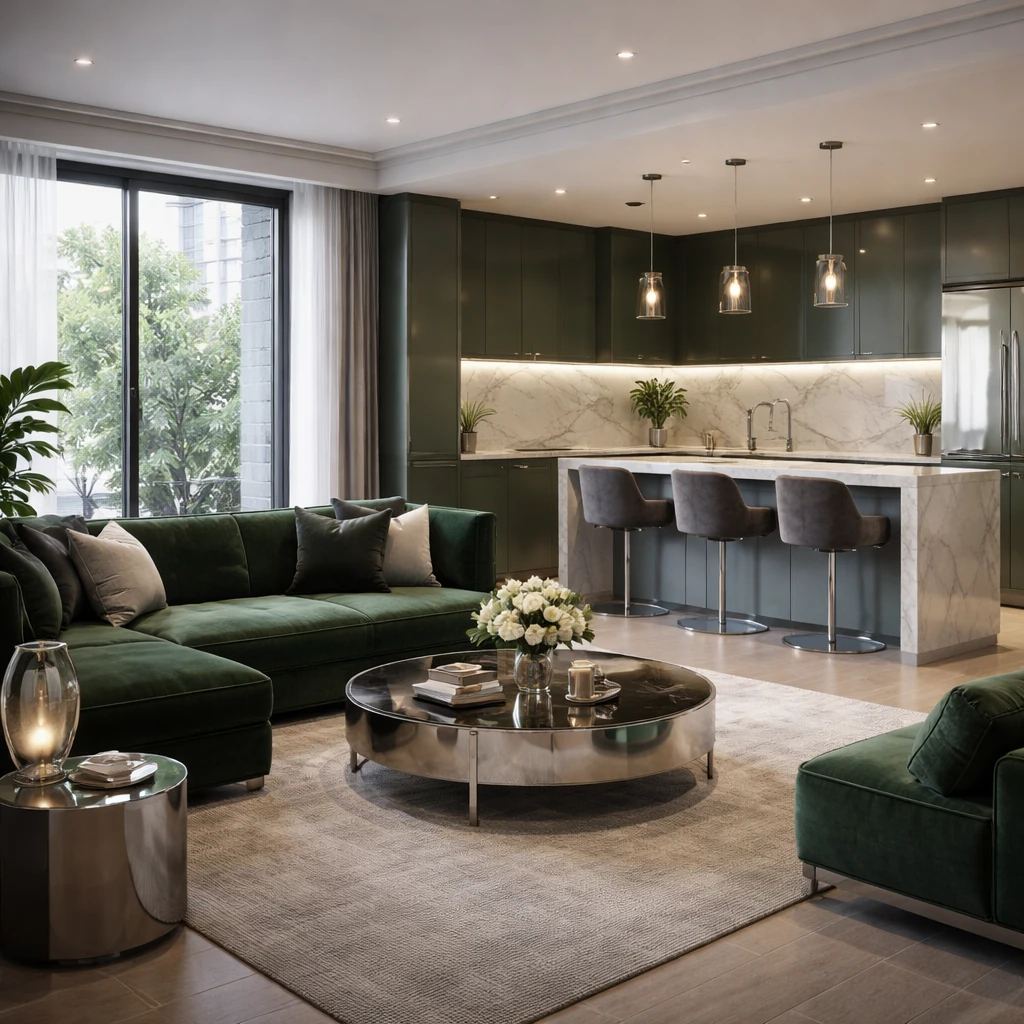
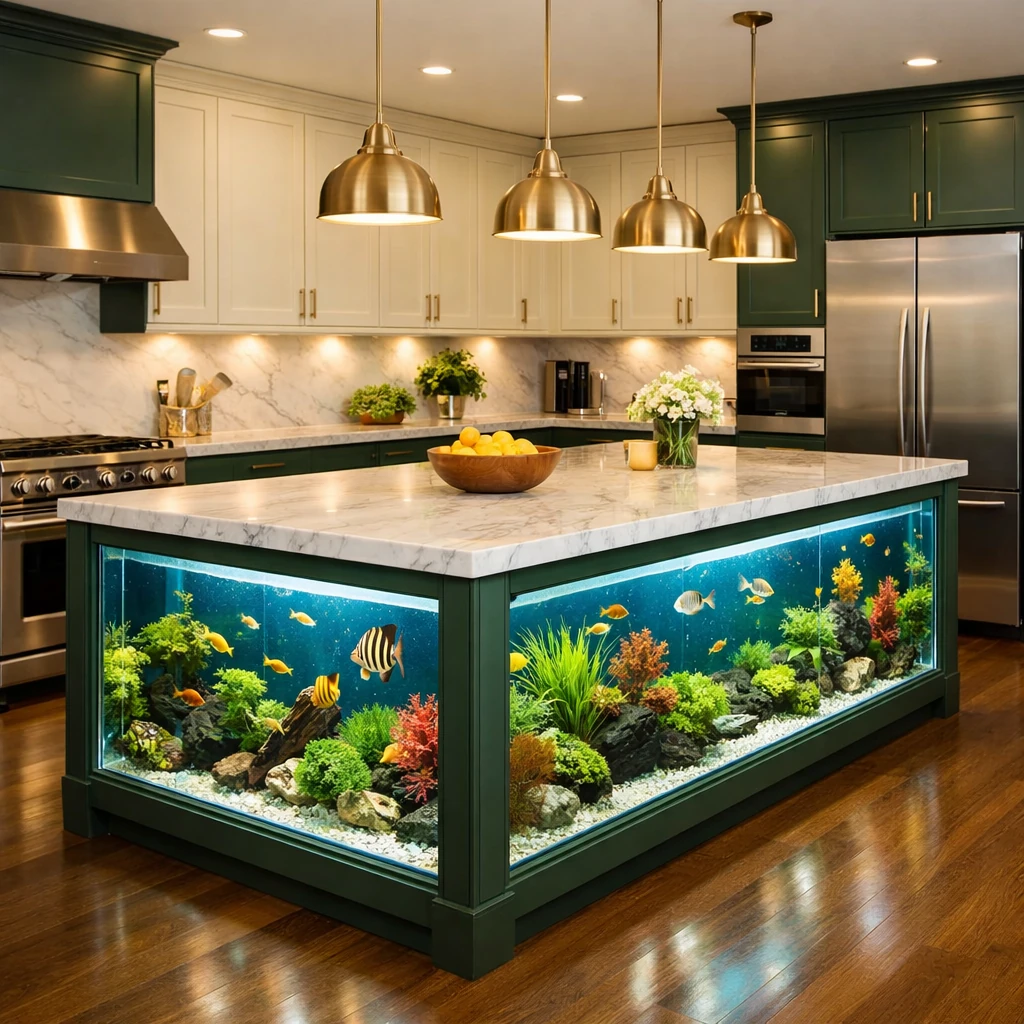
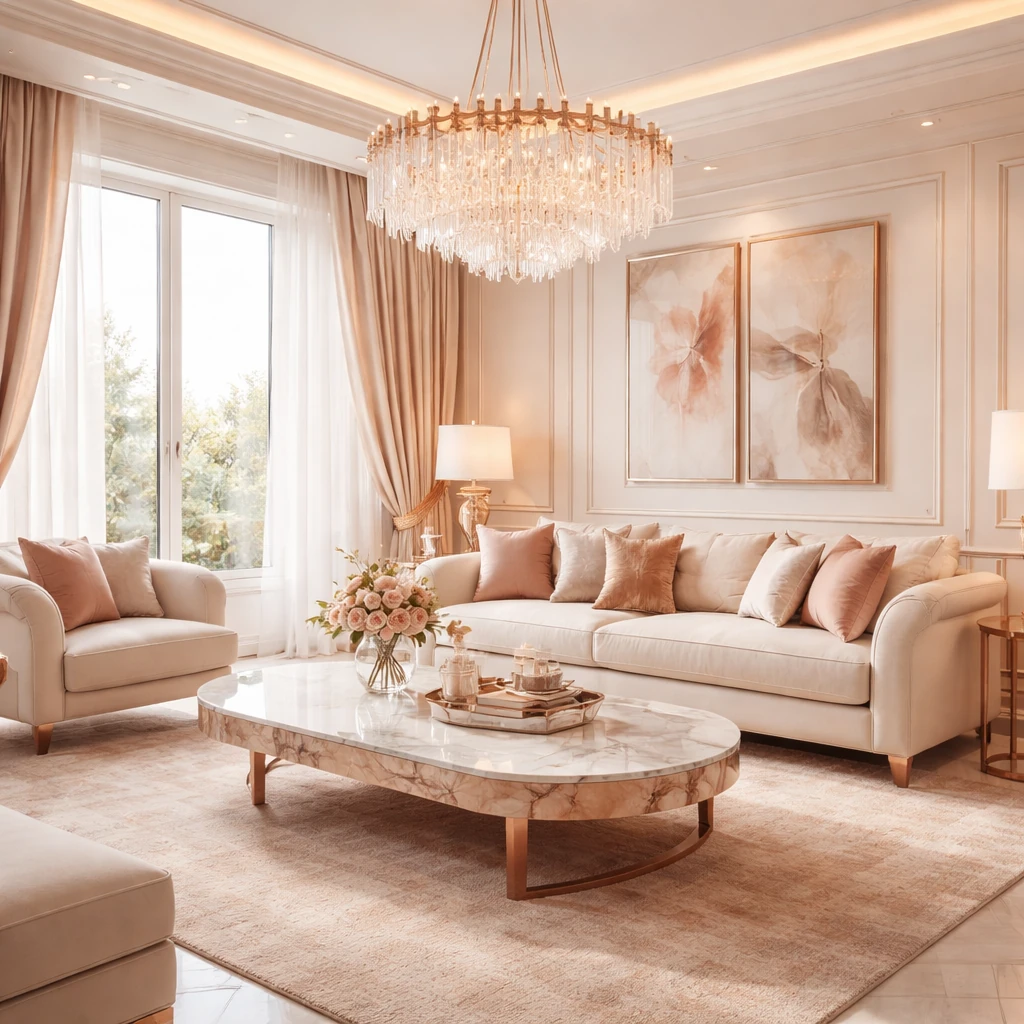
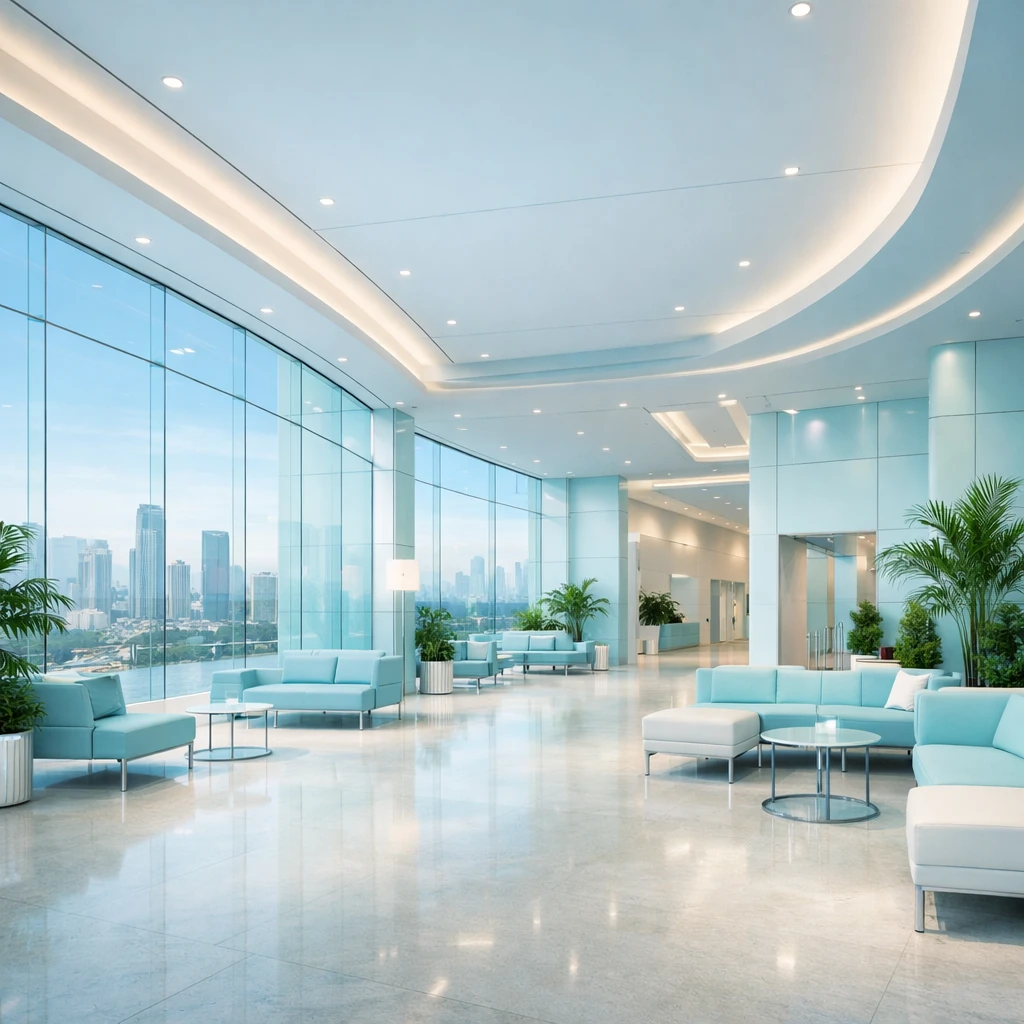
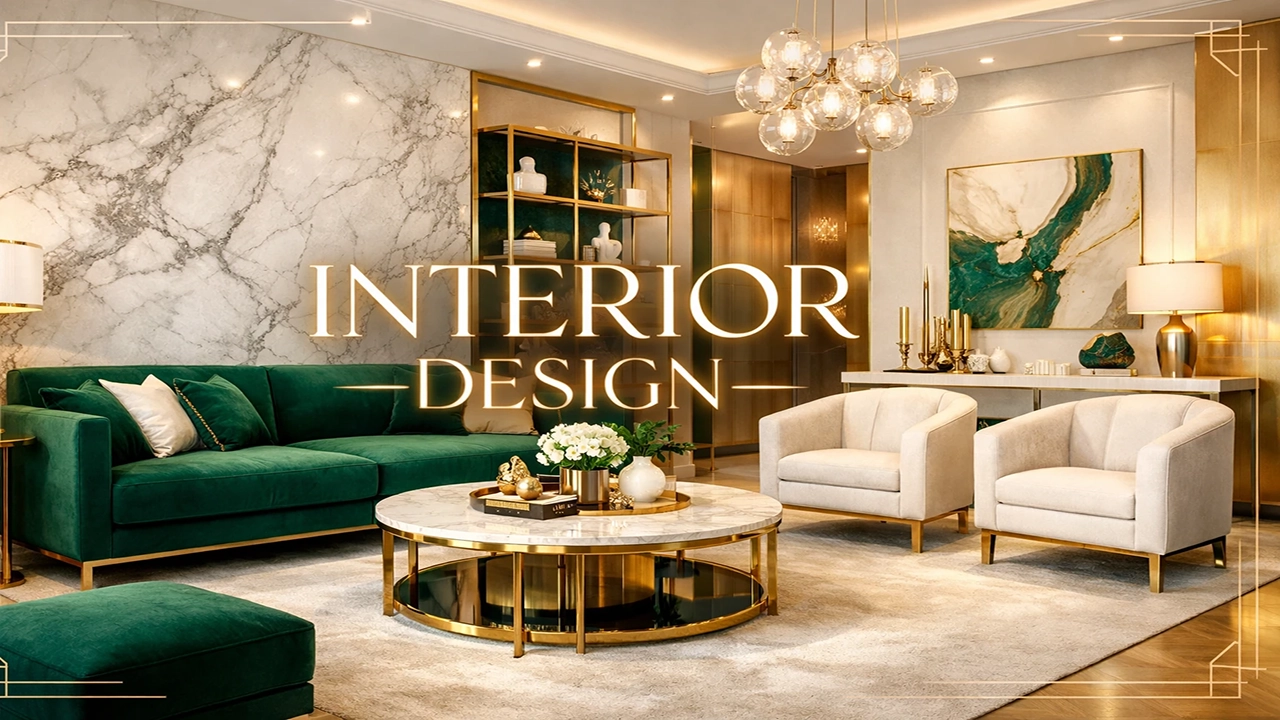
Interior Design is the art and science of planning and designing indoor spaces to make them functional, comfortable, and visually appealing. It focuses on how people experience a space and how design can improve daily life through smart layout planning, furniture selection, lighting, color, materials, and overall atmosphere.
Interior design is not only about decoration — it is a strategic process that combines creativity with practical problem-solving to create spaces that support the needs, lifestyle, and goals of the people who use them.
Why Interior Design Is Essential
A well-designed interior directly affects comfort, productivity, and emotional well-being. Professional interior design is essential because it:
1) Improves functionality and space efficiency
Good interior design makes better use of space by optimizing layout, movement flow, and zoning. It helps create environments that are practical, organized, and easy to use.
2) Enhances comfort and lifestyle quality
Interior design shapes how a space feels. The right lighting, materials, and furniture choices can create a sense of warmth, calm, energy, or luxury depending on the purpose of the space.
3) Increases property and business value
A professionally designed interior can increase the value of a home, office, or commercial space. For businesses, a strong interior design can improve customer experience and support brand positioning.
4) Strengthens brand identity in commercial spaces
For offices, stores, cafés, and showrooms, interior design communicates the brand’s personality. A well-designed environment creates consistency and helps customers trust the business more quickly.
5) Supports productivity and performance
In workplaces, interior design improves comfort and workflow. Better lighting, ergonomic planning, and smart layout decisions can increase employee focus, collaboration, and efficiency.
Where Interior Design Is Used
Interior design is applied across many types of spaces, including:
- Residential spaces (homes, apartments, villas)
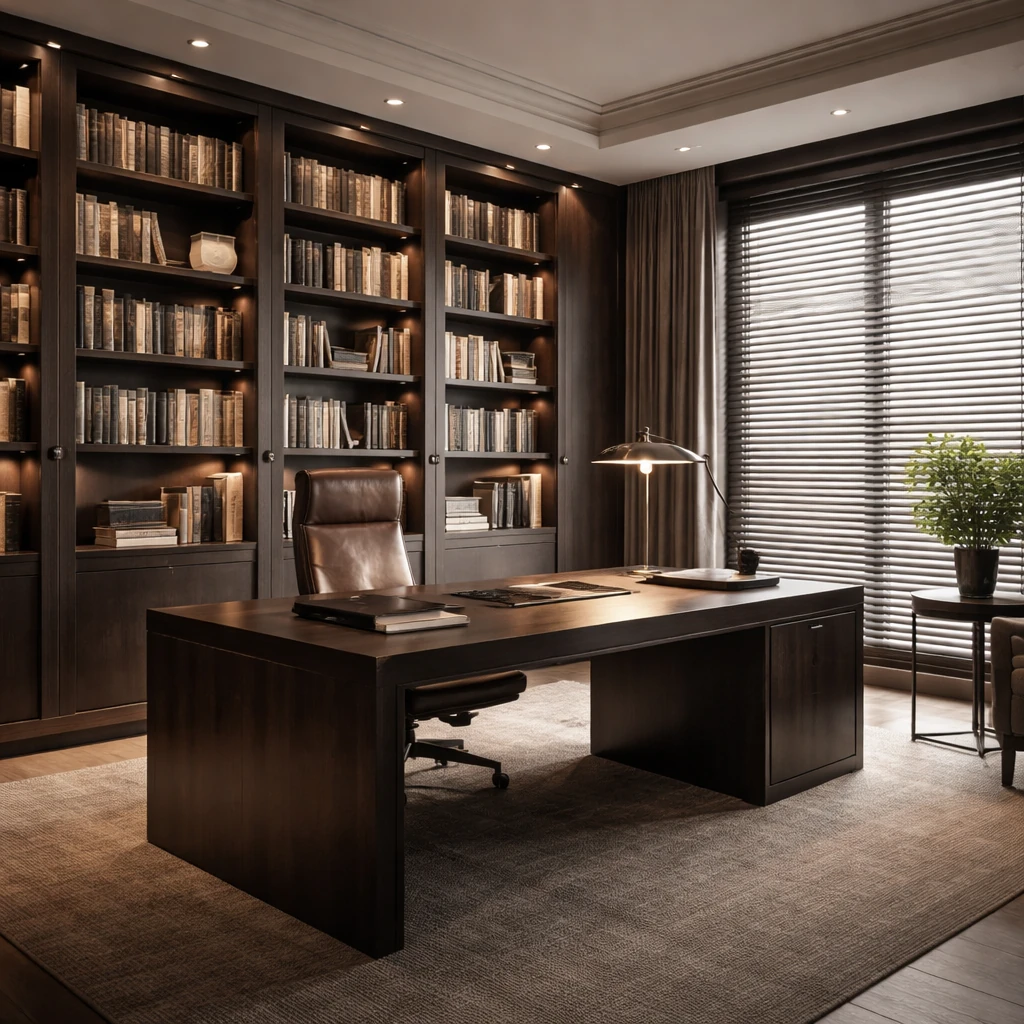
- Office and corporate environments
- Retail stores and showrooms
- Restaurants, cafés, and hospitality spaces
- Hotels and resorts
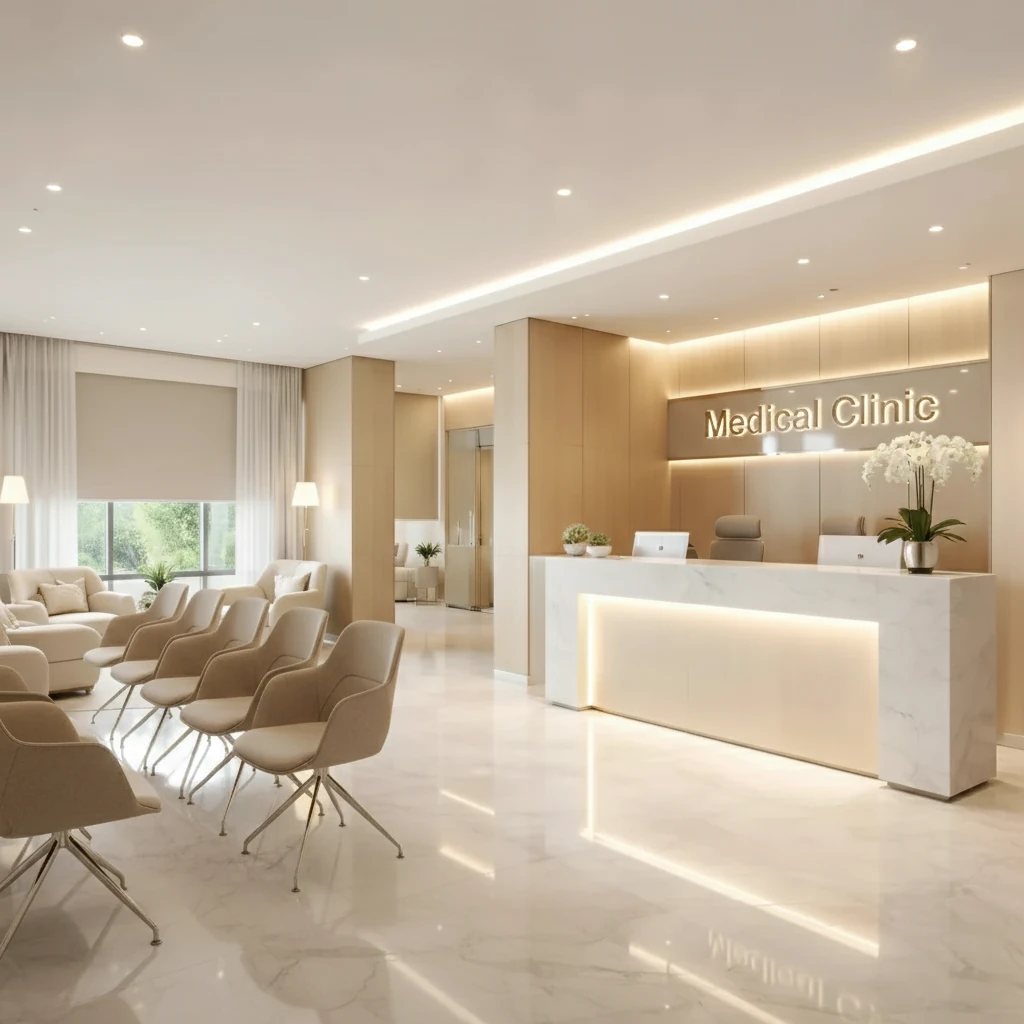
- Healthcare spaces (clinics, wellness centers)
- Educational and public spaces
- Exhibition and event interiors
How Interior Design Helps a Business or Project
A professional interior design can support success by:
- Creating stronger customer experiences and emotional connection
- Improving usability and comfort for visitors and staff
- Making spaces look more premium, modern, and trustworthy
- Supporting business goals through strategic layout and flow
- Reducing future renovation costs through proper planning
Key Elements of High-Quality Interior Design
A successful interior design project usually includes:
- Space planning and layout optimization
- Lighting design and atmosphere creation
- Material and color selection
- Furniture design and placement
- Functional zoning and circulation flow
- Balance between aesthetics and practicality
- User-centered design decisions
Conclusion
Interior design transforms indoor spaces into environments that support comfort, function, and style. Whether for homes or businesses, professional interior design improves daily experience, strengthens brand identity, and adds long-term value through thoughtful planning and creative vision.
Industrial Design: What It Is and Why It Matters
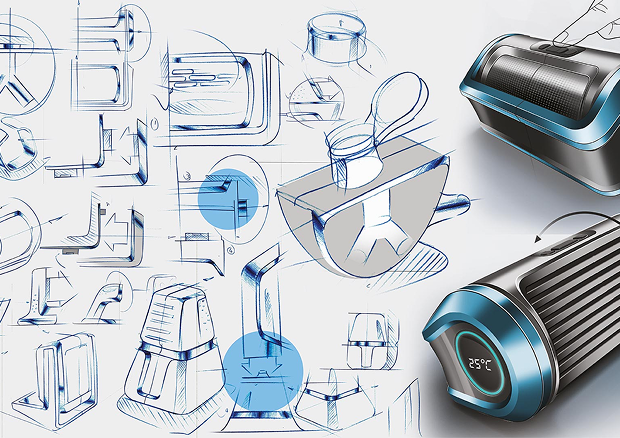
What is Industrial Design?
Industrial Design is the process of designing physical products that are both functional and visually appealing. It combines creativity with engineering principles to create products that solve real problems and improve user experience.
Industrial design focuses on the full product experience — including shape, ergonomics, materials, usability, durability, and production feasibility. A successful industrial design ensures that a product not only looks good, but also performs well and can be manufactured efficiently.
Why Industrial Design Is Essential
In modern markets, product design plays a major role in customer satisfaction and brand success. Industrial design is essential because it:
1) Improves usability and user experience
Industrial design ensures products are easy to use, comfortable, and intuitive. It considers ergonomics, user behavior, and real-world usage to reduce friction and improve satisfaction.
2) Increases product value and market appeal
Customers often choose products based on design. A well-designed product feels more premium and can stand out in a crowded market, increasing demand and sales.
3) Supports innovation and problem-solving
Industrial design turns ideas into practical solutions. It helps businesses create new products, improve existing ones, and respond to user needs with innovative thinking.
4) Enhances brand identity through products
Products are a powerful representation of a brand. Consistent industrial design helps build recognition and trust, making the brand more memorable and professional.
5) Improves manufacturing efficiency and reduces costs
A professional industrial design considers materials, production methods, and assembly. This reduces errors, minimizes waste, and prevents costly redesigns during manufacturing.
Where Industrial Design Is Used
Industrial design is used in many industries and product categories, including:
- Consumer electronics and gadgets
- Home appliances and kitchen products
- Furniture and lifestyle products
- Medical devices and equipment
- Tools, machinery, and industrial equipment
- Automotive and transportation products
- Packaging and physical product experience
- Prototypes and manufacturing-ready models
How Industrial Design Helps a Business
Industrial design supports business growth by:
- Increasing customer satisfaction and product loyalty
- Improving product competitiveness and differentiation
- Strengthening brand positioning (premium, modern, innovative)
- Supporting faster development through prototyping and testing
- Reducing production issues through smart design planning
Key Elements of High-Quality Industrial Design
A strong industrial design process usually includes:
- User research and problem definition
- Ergonomic and functional development
- Form and aesthetic design
- Material selection and durability planning
- Prototype creation and testing
- Manufacturing feasibility and cost optimization
- Product refinement and final production preparation
Conclusion
Industrial design is essential for creating products that people love to use. It combines functionality, aesthetics, and engineering to deliver real value. A professional industrial design increases market success, strengthens brand identity, and ensures products are practical, efficient, and ready for production.