What is Environment Design?
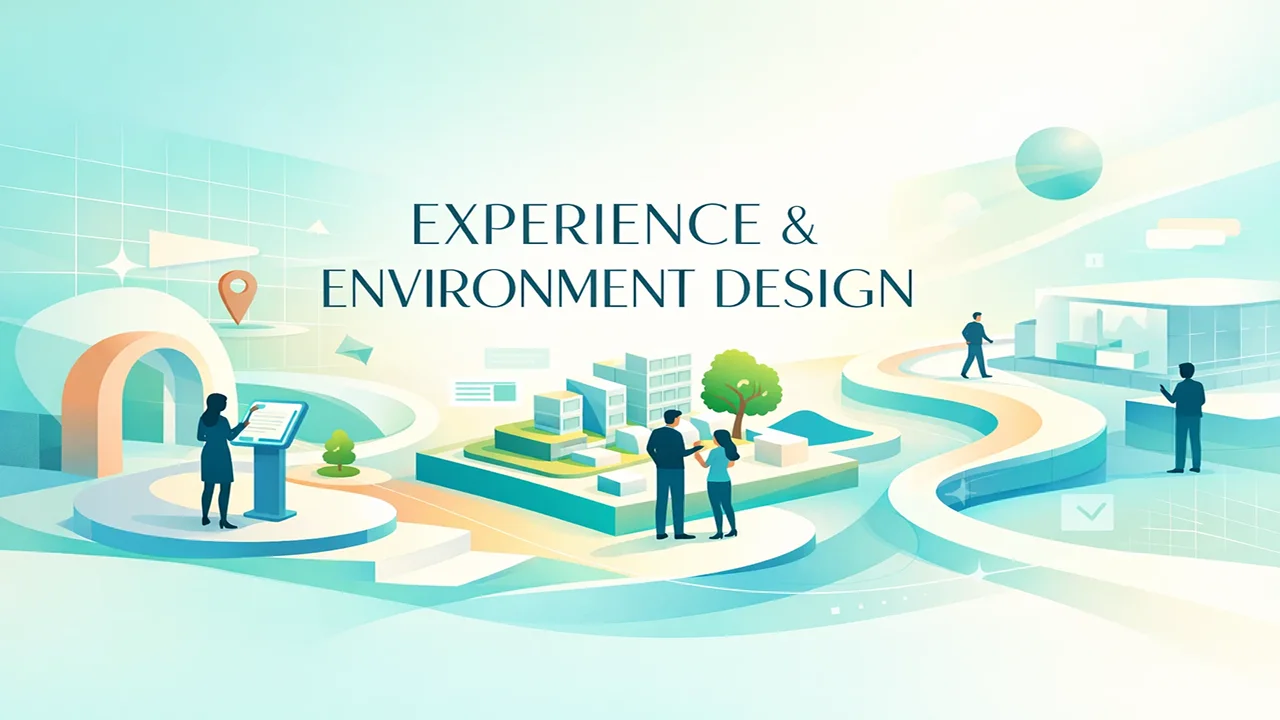
Environment Design is the art and process of creating immersive spaces and worlds for visual storytelling. It focuses on designing the settings, locations, backgrounds, and atmospheres that appear in media such as films, animation, video games, advertising, and concept art.
Unlike general graphic design, environment design is about building believable worlds — from realistic city streets and architectural interiors to fantasy landscapes and sci-fi planets. It combines creativity with strong knowledge of composition, lighting, perspective, architecture, mood, and storytelling.
Environment design plays a major role in shaping how audiences feel, what they understand about a scene, and how they connect emotionally with a story.
Why Environment Design Is Essential
Great environment design is not just decoration — it is a key part of storytelling and world-building. It is essential because it:
1) Builds immersive worlds
Environments create the foundation of the audience’s experience. A well-designed setting makes a world feel real, believable, and engaging — even in fantasy or futuristic projects.
2) Supports storytelling and narrative
A strong environment communicates story without words. It can show the history of a place, the culture of characters, the mood of a scene, or the tension of a moment — all through visual design.
3) Creates atmosphere and emotion
Environment design controls the emotional tone through elements like lighting, weather, color palettes, textures, and scale. It can make a scene feel warm and safe, dark and threatening, or mysterious and magical.
4) Improves production quality and consistency
Professional environment design ensures visual consistency across a project. It helps teams maintain the same style and world rules from scene to scene, which is essential for large productions and long-term projects.
5) Enhances user experience in games
In video games, environment design directly affects gameplay. It guides the player, supports navigation, builds exploration, and creates memorable experiences through level atmosphere and visual cues.
Where Environment Design Is Used
Environment design is widely used across entertainment, media, and product storytelling, including:
Film & animation
- Background and scene design
- World-building and location development
- Mood and lighting concepts
- Cinematic environment concepts
Video games
- Game world design and location concepts
- Level atmosphere and storytelling spaces
- Open-world landscapes and city design
- Environmental storytelling elements
Concept art & visual development
- World design for fantasy/sci-fi projects
- Architectural and interior concepts
- Landscape and nature environments
- Set and prop integration
Advertising & creative media
- Story-driven commercial environments
- Visual campaign worlds and settings
- Product showcase scenes in 3D environments
How Environment Design Helps a Project or Brand
Environment design is a powerful creative tool that helps projects succeed by:
Creating stronger visual identity
A unique environment style makes a project recognizable. Many iconic films and games are remembered not only for characters — but for their worlds.
Making scenes more believable and cinematic
Strong environment design increases realism and production value. It makes scenes look professional, polished, and visually rich.
Strengthening emotional connection
Audiences connect with spaces. A carefully designed world makes people feel part of the story and increases engagement.
Supporting efficient production workflows
Clear environment concepts help production teams (3D artists, animators, VFX, level designers) work faster and more accurately, reducing revisions and maintaining quality.
Key Elements of Great Environment Design
A professional environment design typically includes:
- Strong composition and visual hierarchy
- Correct perspective and scale
- Effective lighting and mood design
- High-quality textures and material understanding
- Balanced color palettes and atmosphere
- Architecture and world logic (realistic or stylized)
- Storytelling details that make the world feel alive
Conclusion
Environment design is a core part of world-building and visual storytelling. It creates the spaces where stories happen, shaping mood, realism, and emotional impact. Whether for films, animation, games, or concept art, professional environment design transforms ideas into immersive worlds that audiences can explore, remember, and connect with.