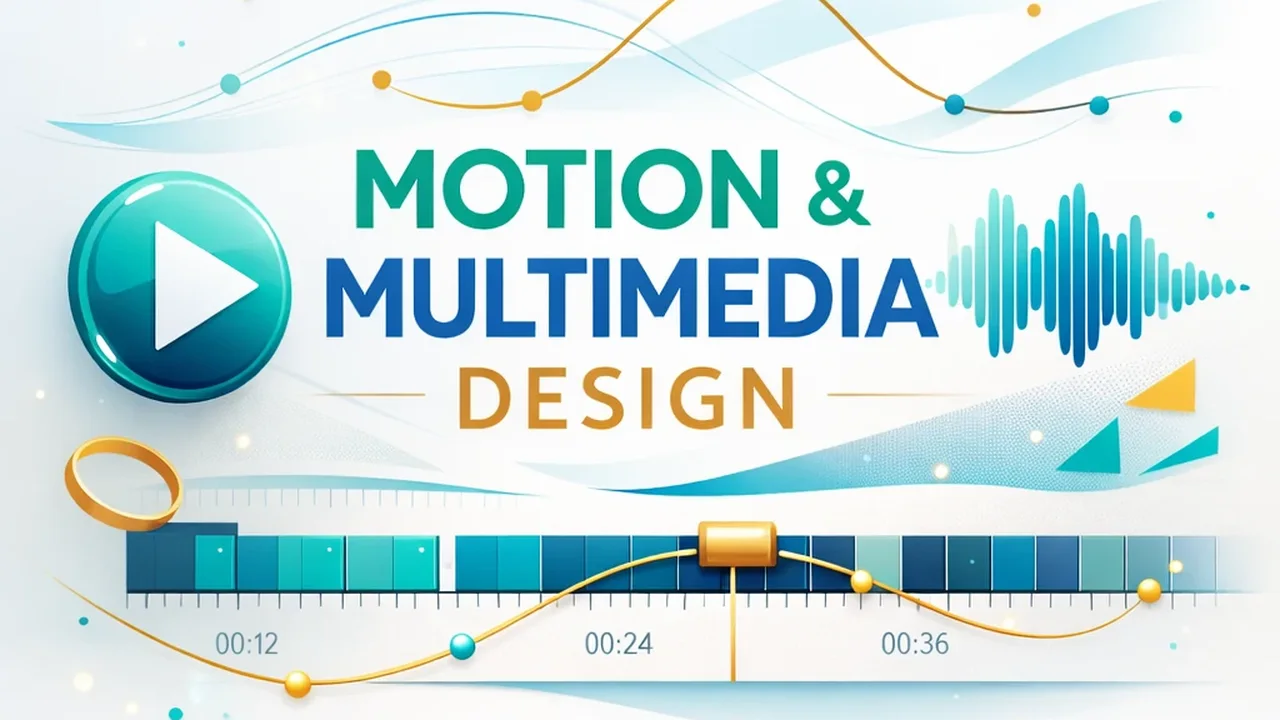
What is Motion & Multimedia Design?
Motion & Multimedia Design is the creative process of designing visual content that combines animation, video, sound, typography, graphics, and storytelling to communicate messages in a dynamic and engaging way. It includes a wide range of digital formats such as motion graphics, animated branding, video editing, visual effects, and interactive media.
Unlike static design, motion and multimedia design brings visuals to life — helping brands and creators capture attention, explain ideas faster, and create memorable experiences across digital platforms.
Why Motion & Multimedia Design Is Essential
In the modern digital world, audiences consume content quickly and visually. Motion design is essential because it:
1) Captures attention instantly
Motion naturally attracts the human eye. Animated content is more likely to stop users from scrolling and increase engagement compared to static visuals.
2) Communicates complex ideas clearly
Motion graphics and multimedia content can simplify difficult concepts through visual storytelling, icons, transitions, and animated explanations — making content easier to understand and remember.
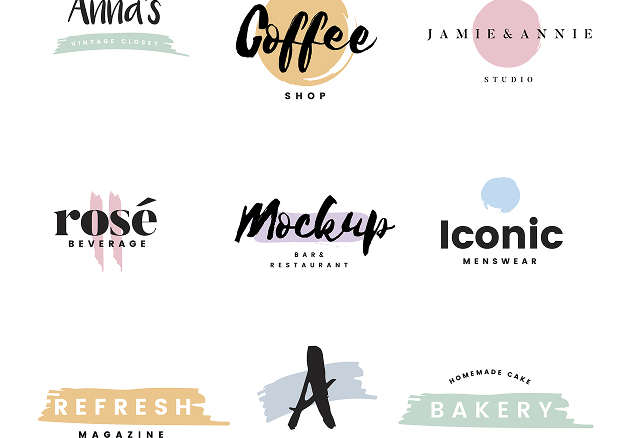
3) Strengthens brand identity
Animated logos, branded video intros, transitions, and typography create a strong visual identity. Motion design adds personality and consistency to a brand’s digital presence.
4) Increases marketing performance and conversions
High-quality motion content improves advertising effectiveness. It increases click-through rates, watch time, and audience retention — which can lead to more conversions and sales.
5) Creates a premium and professional image
Professional multimedia design elevates content quality. It makes brands appear more modern, creative, and trustworthy, especially in competitive industries.
Where Motion & Multimedia Design Is Used
Motion and multimedia design is widely used across marketing, entertainment, education, and product communication, including:
Branding & marketing
- Animated logos and logo reveals
- Social media reels, ads, and promo videos
- Campaign videos and branded motion templates
- Product launch videos
- YouTube intros/outros and channel branding
Business & corporate
- Corporate presentations and animated pitch decks
- Explainer videos for services and products
- Training and educational videos
- Event screens and digital signage
Digital products & UI
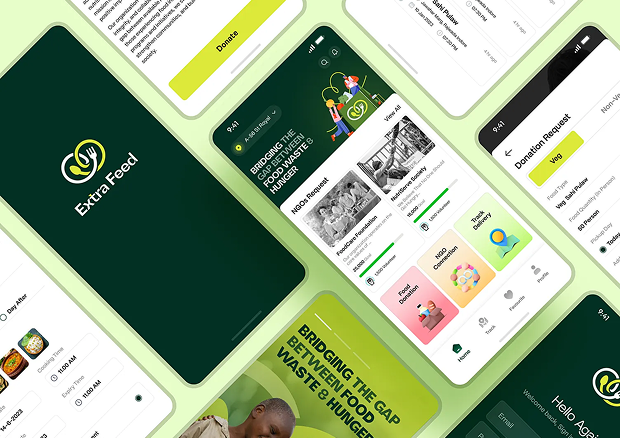
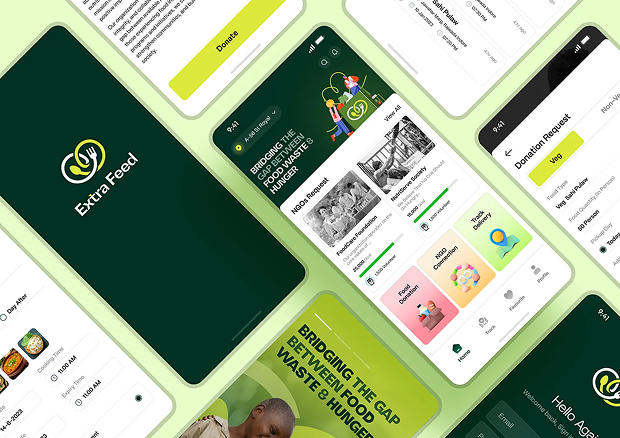
- App and website animations (micro-interactions)
- UI motion design for better user experience
- Onboarding animations and tutorials
- Interactive media and web experiences
Entertainment & creative media
- 2D/3D animation projects
- Visual effects (VFX) and compositing
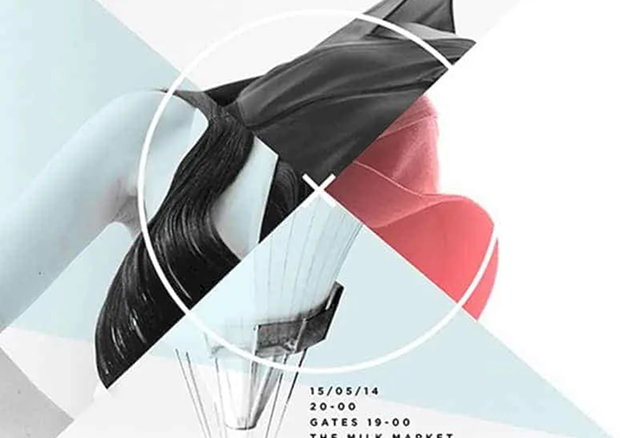
- Title sequences and cinematic motion graphics
- Music videos and creative video editing
How Motion & Multimedia Design Helps Brands and Businesses
Motion and multimedia design supports business growth by:
Increasing audience engagement
People are more likely to watch, share, and interact with animated content. Motion design boosts brand reach and visibility across platforms.
Improving brand communication
Motion content delivers a message quickly and clearly. It helps brands explain what they do, how they work, and why they are valuable — in a short time.
Supporting stronger storytelling
Motion and sound create emotional impact. With the right pacing, visuals, and music, brands can tell stories that feel more human and memorable.
Enhancing product experience
Motion design improves digital product usability by guiding users visually and making interfaces feel smoother, modern, and intuitive.
Key Elements of High-Quality Motion & Multimedia Design
A professional motion and multimedia design process usually includes:
- Concept development and script planning
- Storyboarding and visual direction
- Motion graphics and animation design
- Typography animation and transitions
- Video editing and pacing
- Sound design and music integration
- Color grading and final rendering
- Format optimization for different platforms
Conclusion
Motion & multimedia design is one of the most powerful tools for modern communication. It transforms static visuals into dynamic experiences, helping brands capture attention, tell stories, and connect emotionally with audiences. Whether for marketing, branding, education, or digital products, professional motion design increases engagement, strengthens identity, and improves overall content performance.
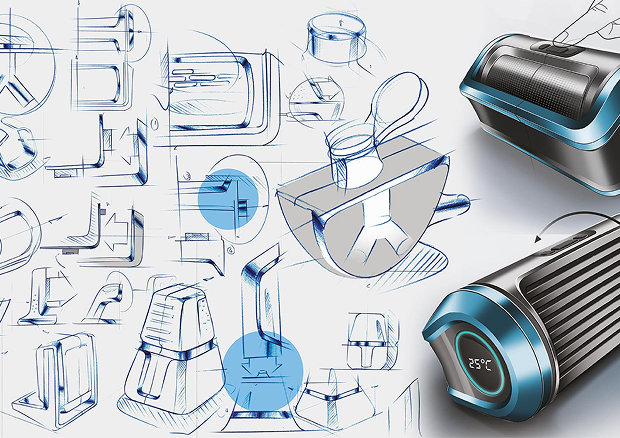
Industrial design is essential for creating products that people love to use. It combines functionality, aesthetics, and engineering to deliver real value. A professional industrial design increases market success, strengthens brand identity, and ensures products are practical, efficient, and ready for production.